Two different meanings of margin often appear in a soybean crush discussion. The gross crush margin is the meal-and-oil product value less bean cost, often expressed in dollars per bushel. The futures margin requirement is the performance bond or collateral a broker requires to hold the futures position. They are not the same number.
How much capital does a crush position require?
There is no permanent dollar figure for every account. Requirements vary by contract month, the exact leg ratio, the exchange's current risk parameters, broker house requirements and whether the legs qualify for a spread offset. A board crush contains 30 futures contracts; a 1:1:1 basket contains three, but a naive contract-count comparison is not a reliable margin calculation. A recognized offset can reduce required collateral relative to the sum of standalone legs; it does not make the trade risk-free.
Check the current CME crush margin page and ask your broker for an account-specific estimate for the precise ZS, ZM and ZL months, direction and ratio. Confirm initial and maintenance requirements, any intraday or concentration rules, and the effect of an existing portfolio. The broker's live requirement controls what you must post.
Why cash needs can rise after entry
Futures are marked to market. If the weighted basket moves against you, variation losses can consume available cash even if you expect a later seasonal rebound. A margin call, forced reduction or liquidation can arrive before your chosen exit date. A spread margin credit addresses collateral calculation; it does not cap the market loss or guarantee all three legs move together.
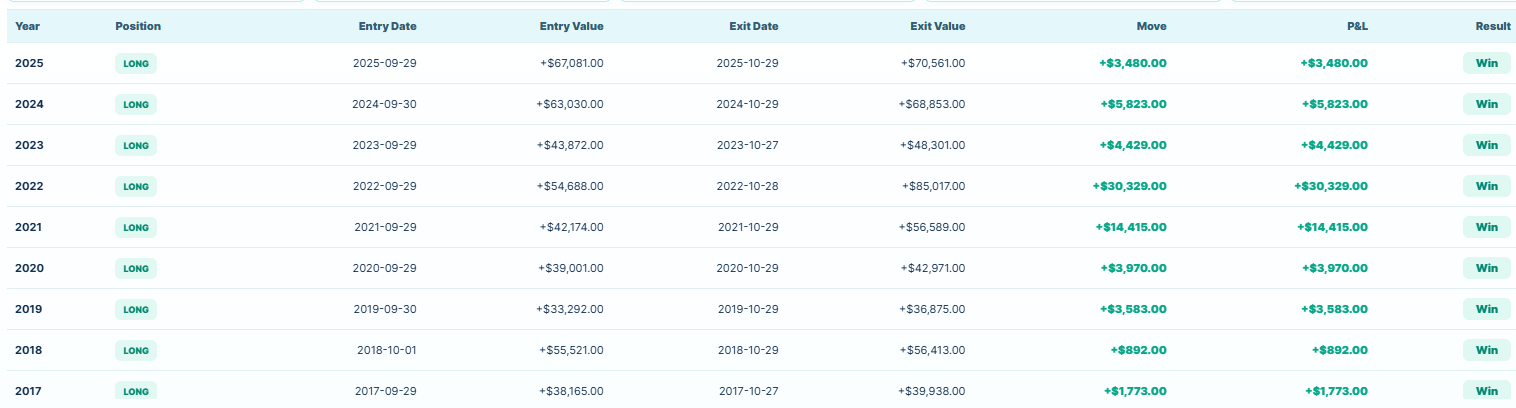
If a board crush basket falls by $4,000 between entry and a later quote, a long-products/short-beans position has a gross $4,000 adverse move per basket before costs. This loss is independent of whether the opening performance bond was above or below $4,000. The basket value shown on the chart is a level; the change between two levels drives the gross trade result.
Risks specific to the three legs
- Yield mismatch: the standard 10:11:9 ratio leaves residual oil exposure relative to the conventional 11 lb per bushel yield. Real processing yields can differ further.
- Basis and product demand: cash meal and oil prices, freight and quality differ from their futures quotes; biofuel and feed demand can diverge.
- Expiration and liquidity: selected delivery months can have different depth, first-notice rules and roll dates. Check each contract before trading.
- Execution: entering separate legs can create temporary unhedged exposure or slippage. A facilitated exchange spread may reduce legging risk where available, but fills and bid–ask costs still matter.
- Backtest selection: an optimized historical window can be a poor guide to a new year. Review the worst yearly path and the drawdown during the window, not just the final win count.
A pre-trade checklist
- Confirm the exact contract symbols, months, direction and ratio.
- Translate each leg's movement into dollars using ZS $50 per cent/bu, ZM $100 per $/short ton and ZL $600 per cent/lb, multiplied by the number of contracts.
- Get current initial and maintenance margin figures from the broker for the whole account.
- Estimate a tolerable adverse USD move and the cash buffer needed to survive it.
- Add commissions, bid–ask costs and realistic fills to the historical comparison.
- Plan exit and roll rules before any leg approaches delivery constraints.
Inspect the basket before estimating risk
Read its ratio, dollar unit and historical yearly range; then obtain today's broker margin quote.
Browse Crush Structures →Primary references
CME Group: Soybean Crush Spreads · CME Group: Crush Margins · CME Group: Performance Bonds.
Frequently asked questions
Is a $0.65/bu crush margin the deposit to open the trade?
No. That is an illustrative gross processing price relationship. Your broker specifies a separate futures collateral requirement.
Does a spread margin credit limit losses?
No. It affects collateral requirements, while daily market losses and variation margin can still exceed the amount initially posted.
Can the required margin change after I enter?
Yes. Exchange and broker requirements can change, and the portfolio's composition can affect the amount owed.
Analyze a dated crush structure
Check the selected legs, ratio and history in the product before drawing any conclusion.
Browse Crush StructuresEducational material only, not investment advice. Historical results are hypothetical and do not guarantee future performance. Unless stated otherwise, worked prices are illustrative and trading costs are excluded.